
Planning your custom home construction is one of the biggest decisions you’ll ever make. It’s exciting, yes, but let’s be honest—it can feel overwhelming when you’re staring at a blank section wondering where to start. Unlike picking a house-and-land package off the shelf, custom home construction planning means every decision rests on your shoulders, from the foundation to the final light fitting.
If you’re reading this, you’ve likely already decided that building custom is the right path for your family. You want something designed specifically for how you live, not how someone else thinks you should live.
That’s brilliant. But now comes the real work: proper planning.
Poor planning is the single biggest reason custom home construction projects go over budget, behind schedule, or fail to deliver what families actually wanted. The good news? Most of these problems are entirely avoidable with the right approach from day one.
This guide covers the steps you need to take before breaking ground. We’ll walk through the real costs, help you choose the right land and team, and show you how to avoid the expensive mistakes that catch so many Bay of Plenty families off guard.
For comprehensive details on every aspect of custom home building—from detailed cost breakdowns to specific builder selection criteria—you’ll want to read our complete Ultimate Guide: Everything You Need To Know About Custom Homes. But right now, let’s focus on getting your planning foundation rock solid.
1. Establish Your True Budget (Including Hidden Costs)
Most families planning custom home construction make the same dangerous assumption: they think the per-square-metre construction cost is their total budget. It’s not even close.
Beyond the Construction Cost
Yes, you’ll pay between $3,500 to $6,000+ per square metre for quality custom home construction in the Bay of Plenty. But that’s just the building portion. Your total project investment includes dozens of other costs that many families discover too late.
Bay of Plenty-specific costs hit harder than most regions. Tauranga City Council building consent fees start at over $11,000 for basic residential projects, but complex designs push this significantly higher. Development contributions vary dramatically—you might pay under $5,000 for some properties, but others exceed $40,000, depending on size and location.
Site preparation varies wildly across our region. Basic earthworks start around $15,000 for simple, level sections, but challenging sites requiring retaining walls can hit $80,000+. Those stunning elevated sites with harbour views? They often require the most expensive preparation work.
Professional services are non-negotiable. Architects charge 8-12% of construction costs for complete design services. Engineers add another $5,000-15,000 for structural work. Building inspections during custom home construction cost $3,000-$8,000, depending on the project’s complexity.
The 15% Contingency Rule
Here’s what experienced builders know: every custom home construction project encounters unexpected costs. It’s not pessimism; it’s reality.
Weather delays, design changes, site surprises, or material price increases all impact final costs. Clay soils common throughout the Bay of Plenty often reveal surprises during excavation. That “simple” foundation might need specific engineering solutions once you start digging.
Smart families budget 10-15% contingency and stick to it. Those who don’t often face difficult mid-project decisions between cutting quality or finding additional funding.
2. Choose Your Land Wisely
The right section can make or break your custom home construction project. Land that looks perfect might hide expensive problems that blow your budget or limit your design options.
Site Suitability Assessment
Bay of Plenty clay soils require specific foundation solutions designed by qualified engineers. Your geotechnical assessment—costing several thousand dollars—identifies these requirements early. Many families skip this step to save money upfront, only to discover expensive foundation needs later.
Council setback requirements and building restrictions vary significantly across the Bay of Plenty. Some areas have strict height limits, others require specific materials or colours. Coastal properties face additional setback requirements. Research these restrictions before you fall in love with a section.
Location Impact on Design
Orientation matters for Bay of Plenty living. North-facing living areas capture beneficial winter sun, while carefully designed eaves provide summer shading. Poor orientation means higher ongoing energy costs and less comfortable living.
View maximisation requires thoughtful planning. The section that offers stunning harbour glimpses might require expensive earthworks to capture those views from inside your home.
Neighbourhood character affects both your enjoyment and resale value. Custom homes should complement established area aesthetics while offering modern functionality.
3. Assemble Your Professional Team
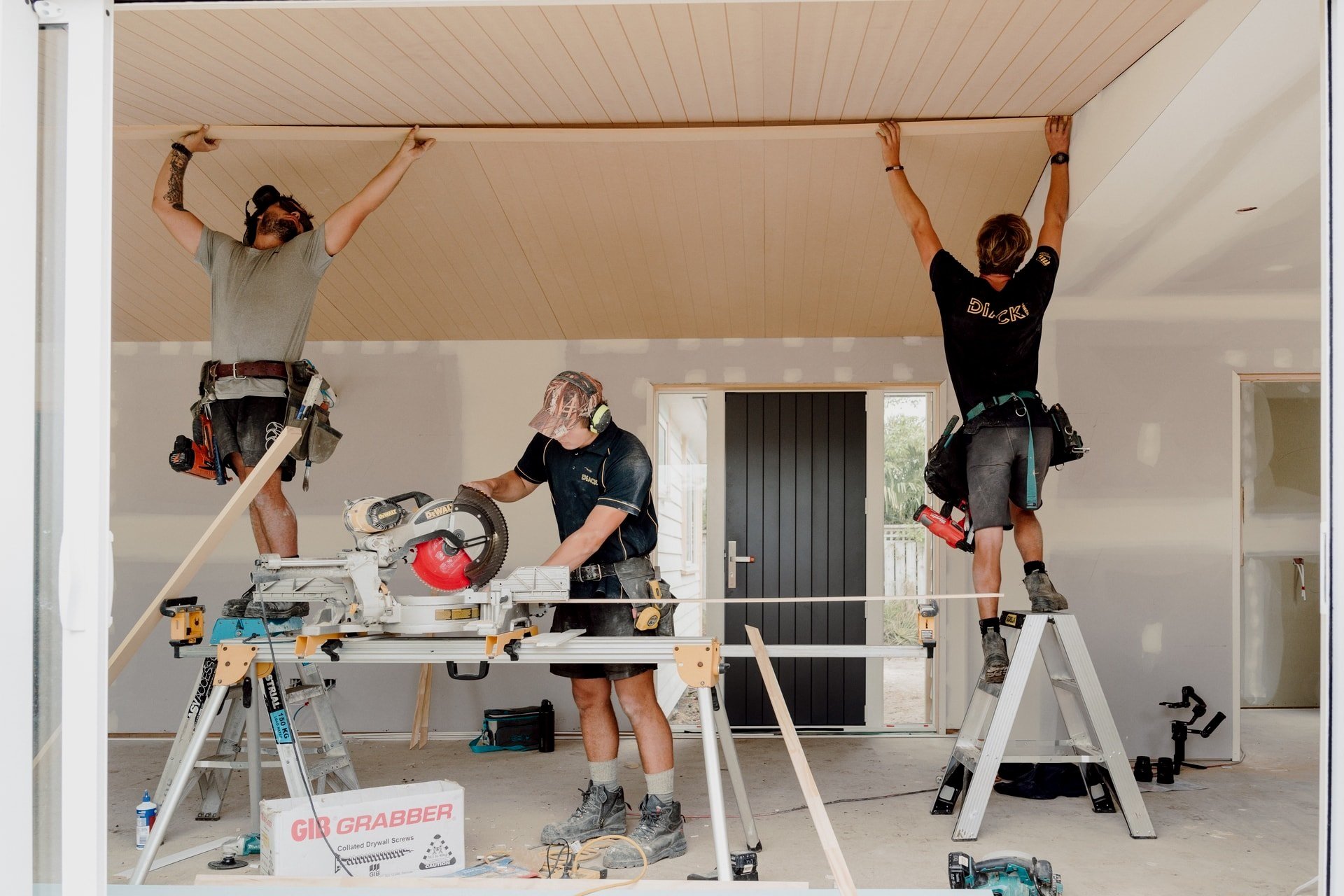
Getting the right team for your custom home construction can mean the difference between a smooth build and a nightmare experience. This isn’t the time to cut corners or choose based on price alone.
Your Builder Makes or Breaks Everything
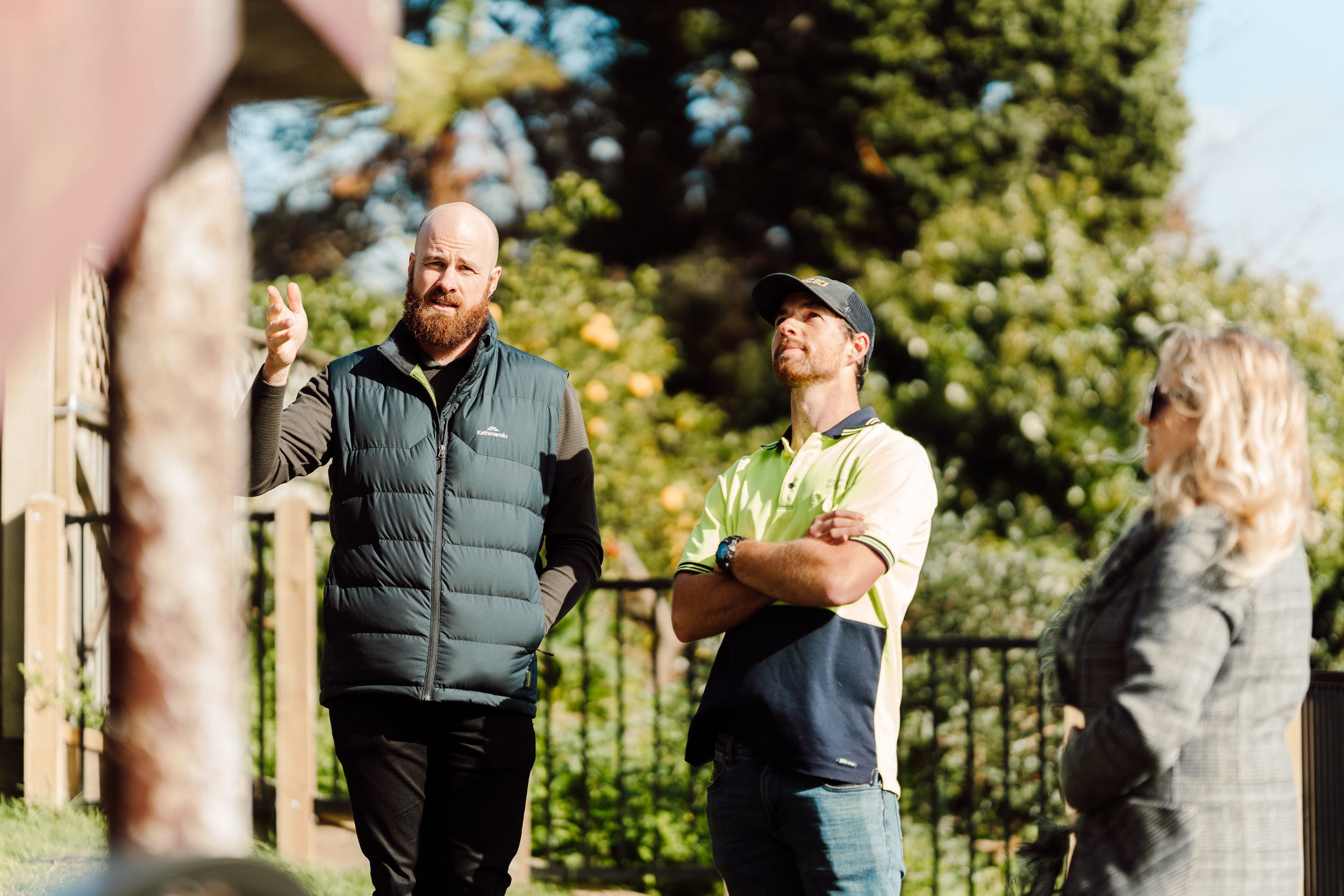
Licensed Building Practitioner certification is non-negotiable. This isn’t just paperwork—it’s your protection. LBPs are held legally responsible for their work and must maintain proper insurance coverage.
Master Builder certification provides additional protection through the 10-year Master Build warranty. This comprehensive coverage includes protection for deposits, workmanship, structural integrity, and even temporary accommodation during remedial work.
Local Bay of Plenty experience matters more than you might think. Builders familiar with our clay soils, coastal conditions, and council processes avoid problems that catch out-of-town contractors by surprise. They understand which engineers work well with Tauranga City Council and which suppliers deliver on time.
Look for builders who use systematic quality control processes, provide regular progress updates, and offer fixed-price contracts. Check recent references directly and visit completed projects to assess quality firsthand.
Other Professional Team Members
Architects vs. draftspeople: For complex sites or unique designs, architects provide the expertise to maximise your section’s potential. For simpler projects, experienced draftspeople can create beautiful, functional designs at a lower cost.
Structural engineers are required for most custom home construction projects in the Bay of Plenty, particularly given our soil conditions. Choose engineers familiar with local requirements who work collaboratively with your builder.
4. Navigate Tauranga’s Consent Process
Tauranga City Council’s consent process can add 12-24 weeks to your timeline, but understanding the requirements helps prevent delays.
Understanding Local Requirements
Complete applications process faster than incomplete submissions, requiring multiple rounds of additional information. Quality builders submit applications with all supporting documentation, detailed specifications, and proper engineering reports.
Resource consent may be required for coastal properties, elevated sites, or areas with specific environmental considerations. This adds 8-16 weeks to your timeline, but can often be processed concurrently with building consent.
Development contributions are calculated based on your property size and location. These fees fund local infrastructure improvements but represent a significant cost that’s easy to overlook during early planning. Your builder should clarify these costs during initial consultations.
For detailed information on custom home construction timelines and regulatory requirements, refer to our comprehensive consent process guide.
5. Design for Bay of Plenty Living
Great custom home construction design responds to our unique climate and lifestyle opportunities while planning for future needs.
Climate-Responsive Planning
Natural ventilation captures prevailing breezes for cooling during warmer months. Strategic window placement and internal layout facilitate airflow, reducing reliance on mechanical cooling systems.
Solar orientation maximises winter warmth while minimising summer heat gain. Licensed Building Practitioners experienced with local conditions understand how to balance natural light with thermal comfort throughout our seasonal variations.
Indoor-outdoor flow is practically required for Bay of Plenty living. Large sliding doors eliminate barriers between interior and exterior spaces, while covered outdoor areas extend usable space year-round.
Future-Proofing Your Design
Flexible space planning allows rooms to adapt as family needs evolve. Home offices that convert to guest bedrooms or bonus rooms that transform from playrooms to teenage retreats maximise long-term value.
Technology infrastructure supporting modern connectivity and potential electric vehicle charging creates a forward-thinking appeal that distinguishes quality custom homes.
Universal design features like wider doorways and accessible bathrooms accommodate changing mobility needs while improving functionality for all family members.
6. Plan Your Timeline Realistically
Custom home construction projects in the Bay of Plenty realistically take 18-30 months from initial planning to completion. Understanding each phase helps set proper expectations.
Phase-by-Phase Breakdown
Design and planning typically require 8-16 weeks for concept development and detailed documentation. Rushing this phase to start construction faster almost always creates expensive problems later.
Consent processing ranges from 12-24 weeks, depending on project complexity. Some projects also require resource consent, adding 8-16 weeks to timelines.
Construction takes 24-48 weeks for most projects. Quality builders implement systematic inspection processes beyond council requirements and provide regular progress updates.
Buffer Planning
Weather contingencies are realistic for Bay of Plenty conditions. While our climate allows year-round construction, winter weather can slow earthworks and exterior work.
Decision-making delays often surprise families. You’ll make hundreds of choices throughout the process. Having selections ready before they’re needed keeps projects on track.
Variation impacts can significantly extend timelines. Changes during construction take 2-3 times longer than modifications during the design phase.
7. Avoid Common Planning Pitfalls
Learning from other families’ mistakes can save you significant time, money, and stress during your custom home construction.
The Big Mistakes to Avoid
Underestimating total costs beyond construction pricing catches most families off guard. Professional services, site preparation, and council fees often equal 30-50% of the build cost itself.
Rushing the design phase to start construction faster creates expensive problems later. Taking time for thorough planning prevents costly changes during construction.
Choosing builders on price alone often leads to poor quality, delays, and budget blowouts. Value trumps price every time for custom home construction.
Inadequate contingency planning leaves families vulnerable to unexpected costs. Every experienced builder recommends 10-15% contingency for good reason.
Setting Realistic Expectations
Quality vs. speed trade-offs are real. Rushing any phase typically results in problems that take longer to fix than doing it right the first time.
Decision fatigue affects every family during custom home construction. Preparing for hundreds of choices and having systems to track decisions reduces stress significantly.
For comprehensive information about avoiding common pitfalls and managing the construction process, see our detailed project management guide.
8. Your Planning Checklist
Use this checklist to ensure you’ve covered the basics before starting your custom home construction.
Before You Start
- Budget confirmed with 15% contingency
- Land purchased or under contract
- Professional team assembled (builder, architect/designer, engineer)
- Council requirements understood
- Financing arranged for total project cost
Design Phase Preparation
- Lifestyle needs documented
- Inspiration images collected
- Must-have vs. nice-to-have features listed
- Site survey and geotechnical assessment completed
- Preliminary design brief developed
Conclusion
Proper planning is the foundation of a successful custom home construction project. The time and effort you invest upfront prevent problems, reduce stress, and ensure your finished home meets your family’s needs and budget.
The families who struggle most with custom home construction aren’t those with limited budgets; they’re those who underestimate the planning process or rush through critical decisions. Taking time now to understand costs, choose the right team, and plan properly pays dividends throughout your build.
Here at Diack Homes, we understand that planning your custom home construction can feel overwhelming. That’s exactly why we developed our Gold Standard Promise: To take the guesswork out of the building process for Bay of Plenty families. As Licensed Building Practitioners and Master Builders, we’ve guided dozens of Tauranga families through successful custom builds using our systematic approach to planning, transparent communication, and quality control processes.
We don’t just build homes; we deliver confidence at every step. From helping you understand true project costs to navigating Tauranga City Council requirements, our local expertise means fewer surprises and better outcomes. Our comprehensive 10-year Master Build warranty and BuilderTrend project tracking ensure you’re protected and informed throughout your build.
Planning doesn’t have to be complicated when you have the proper guidance. We’ve seen too many families struggle because they didn’t know what questions to ask or how to avoid common pitfalls. Our proven planning process eliminates those problems before they start.
Want to know exactly what’s involved in planning your custom build? Book your FREE consultation and get the answers that matter most to your project.