
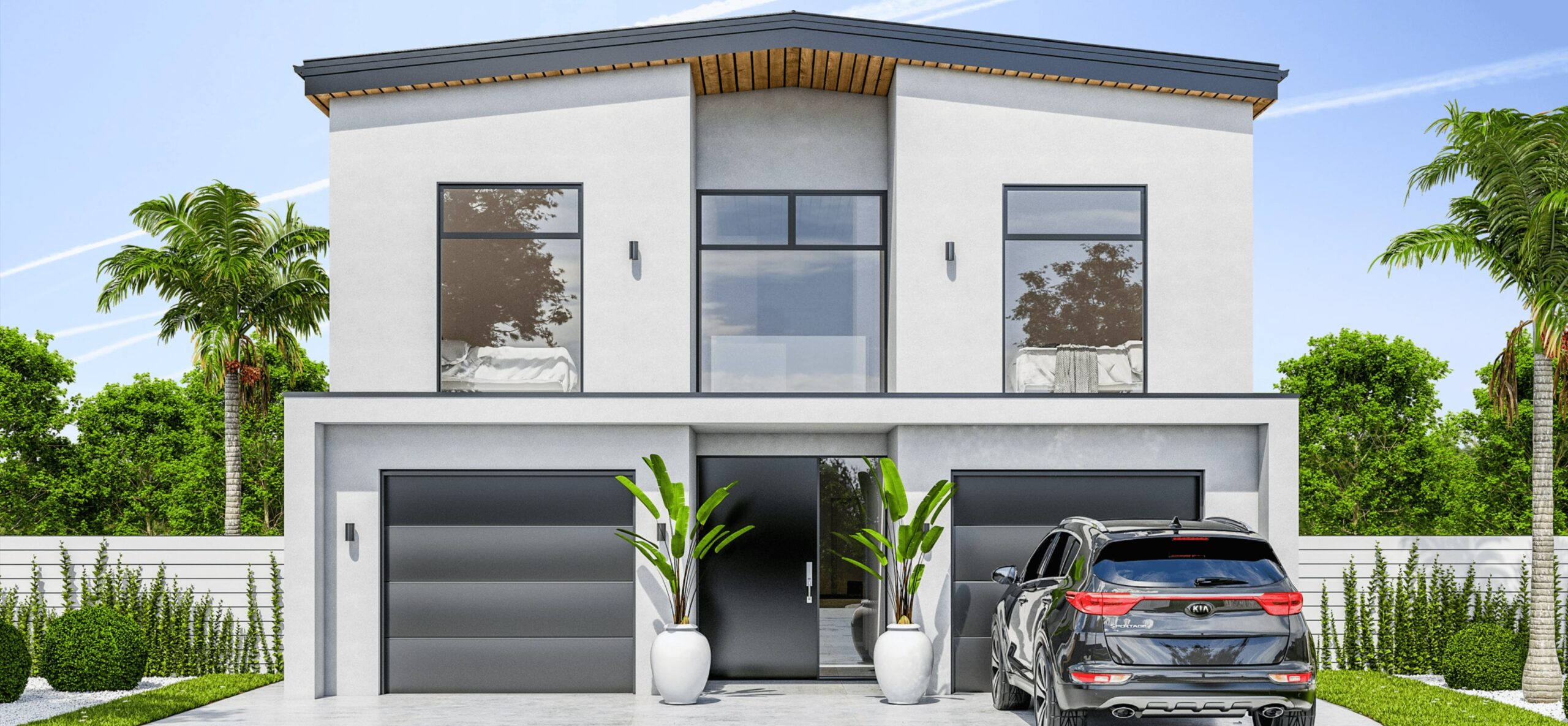
Ultimate Guide: Everything You Need To Know About Custom Homes in Bay of Plenty

A home designed just for your family, built with local expertise, tailored to the way you want to live, and finished with every detail you care about. If that’s your goal, building a custom home in the Bay of Plenty could be your most rewarding investment.

But let’s be clear from the start: Building a custom home is not for the faint-hearted. It’s not like picking a plan off the shelf and getting the keys in a few weeks. You’ll need answers on cost, consent, timelines, and the reality of the process, especially in fast-growing communities like Tauranga.

That’s where this guide comes in. We’re not here to convince you that custom building is your only choice. Instead, we’ll give you the transparent information you need to make the right decision for your family and your budget.

What Exactly Is a Custom Home?

A custom home starts with a blank slate and your vision. Unlike spec homes or house-and-land packages, you’re involved in every decision:

Design Phase:

  • Floor plans tailored to how your family lives
  • Architectural features that suit your lifestyle and site
  • Material selections that reflect your taste and budget
Construction Phase:
  • Working with a qualified builder
  • Regular progress updates and quality checkpoints
  • Modifications as your needs evolve during the build
Completion:
  • A home that’s uniquely yours
  • Code Compliance Certificate (CCC) ensuring everything meets standards
  • Warranty protection for peace of mind

The key difference? You’re not adapting your life to fit someone else’s design decisions.

Why Bay of Plenty Is Perfect for Custom Homes

Our region offers advantages you won’t find elsewhere in New Zealand:

Climate Benefits:
  • Year-round building weather with minimal weather delays
  • Perfect for incorporating indoor-outdoor living designs
  • Natural ventilation opportunities reduce ongoing energy costs
Lifestyle Advantages:
  • Coastal and elevated sections with stunning views
  • Established communities with excellent schools and amenities
  • Urban conveniences without big-city compromises
Market Stability:
  • Steady growth without extreme volatility
  • Strong resale values for quality custom homes
  • Diverse sections available from coastal to rural

Whether you’re drawn to Tauranga’s harbour lifestyle, Mount Maunganui’s beachside living, or Papamoa’s family-friendly community, the Bay of Plenty provides the perfect backdrop for your custom home.

Custom Homes vs. Your Other Options

Before diving into the custom home process, let’s be completely honest about your alternatives. Each option has its place, and the right choice depends on your specific situation, budget, and timeline.


Custom Homes: Complete Control, Premium Investment

When you choose the custom route, you’re getting total design freedom to suit your lifestyle. Every room flows exactly how your family lives, with quality materials and craftsmanship you personally select. Your home is built specifically for your section, maximising views and natural features that pre-designed homes might miss.

The trade-off is the highest upfront investment and longer timeline. Most custom home building timelines in Bay of Plenty projects run 12-18 months from design to completion. You’ll also be making hundreds of decisions throughout the process, which some families find exciting while others find overwhelming.

Custom building works best for families with specific lifestyle needs, challenging sections that need creative solutions, or those building their forever home where getting it exactly right matters more than getting it quickly.


Spec Homes: Move-In Ready Convenience

Spec homes offer immediate or near-immediate occupancy in established neighbourhoods with completed infrastructure. There’s no construction stress, no decision fatigue, and competitive pricing, thanks to builder efficiencies.

The compromise comes in limited customisation options. These homes follow standard designs that may not suit your section’s best features or your family’s specific needs. You’ll get standard fixtures and finishes with less control over quality and materials.

This option suits first-home buyers, investors, or families needing to move quickly without specific design requirements. If you’re happy with existing floor plans and don’t need anything unique, spec homes can offer excellent value.


House-and-Land Packages: The Middle Ground

House and land packages provide some design flexibility within set parameters. You’ll work through a streamlined process with one point of contact, enjoy predictable pricing and timelines, and receive new build warranties with modern features.

However, you’re limited to the developer’s approved designs, which may not work perfectly for unique sections. Standardised inclusions might not match your taste, and variations can quickly add unexpected costs to the base price.

This option works well for families who want something newer than existing homes but without the complexity of a full custom design. It’s particularly popular with busy professionals who want some input without managing the entire process.


Major Renovations: Maximising Your Existing Investment

Renovating lets you retain an established location with mature landscaping while often proving more cost-effective than building new. You can stage work to spread costs over time and preserve character features while adding modern amenities.

The challenge lies in the structural limitations of existing footprints. You might face unexpected issues that blow out budgets, live in a construction zone during work, and still not achieve the same result as a purpose-built design.

Renovations are ideal for families who are happy with their location but need more space or modern functionality. If you love where you live but the house no longer fits your needs, smart renovations can be the perfect solution.

When Does Custom Building Make Sense?
  • You have unique land (complex site, views, coastal, rural).
  • Your family has long-term plans (7+ years/forever home) and wants features built exactly to your needs.
  • You havethe budget and time to commit, and desire high resale, lifestyle, and personal satisfaction.
Consider Alternatives If:
  • You have a short move-in timeframe, tight budget, or don’t want to manage a custom build.
  • Your needs fit a typical house/section.
  • You’d rather not take on extra design or council hurdles.

If your section or wishlist is unique, and you want to get it exactly right, custom is worth considering. If not, start with existing options first.

The True Cost of Custom Homes in Tauranga

Let’s address the elephant in the room: the cost of custom homes in Tauranga. This is significantly more than most people initially expected. Not because builders are trying to surprise you but because the actual cost of custom building involves dozens of components that standard home pricing simply doesn’t include.

This isn’t about scaring you away from custom building. It’s about ensuring you enter the process with realistic expectations and proper financial planning. The families who struggle most aren’t those with limited budgets but those who underestimate what custom building involves.


Understanding Per-Square-Metre Pricing

In the current Bay of Plenty market, custom homes typically range from $3,500 to $6,000+ per square metre for construction costs alone. However, this is just the building portion of your total investment.

1. What’s Included in Construction Costs
Your per-square-metre rate covers the actual house construction but doesn’t include many essential project components. Working with a certified builder or practitioner who maintains proper quality standards typically sits at the higher end of this range but includes comprehensive 10-year Master Build warranty coverage.
2. What’s Not Included

Site preparation, council fees, professional services, landscaping, and driveways all add significant costs beyond the basic construction rate. These additional costs often equal 30-50% of the build cost itself.


Total Project Investment Reality

A quality 200-square-metre custom home will generally require a total project budget between $700,000 and $1,200,000. This includes everything from initial design through to moving in, providing a more realistic planning figure than construction costs alone.


Tauranga Council Fee Structure

Unlike many New Zealand regions, Tauranga City Council maintains some of the country’s highest consent and contribution costs. Understanding these fees upfront prevents nasty surprises when your lawyer calls for settlement funds.

1. Building Consent Costs

Building consent costs in Tauranga start at over $11,000 for basic residential projects, but complex designs, multiple levels, or challenging sites can push fees significantly higher. These costs are invoiced before construction begins, which impacts your cash flow timing.

What makes Tauranga unique is that it bundles various fees together. Where other councils bill separately, Tauranga includes multiple charges in your initial consent invoice, creating larger upfront payments than many people expect.

2. Development Contributions Impact

Development contributions vary dramatically based on your property size and location. Smaller homes might face contributions under $5,000, while larger properties can exceed $40,000. These fees fund local infrastructure improvements but represent a significant cost that’s easy to overlook during early planning.

The size and location of your build determine these fees. Waterfront sections in established areas may pay less than those in new subdivisions that require extensive infrastructure development. Your builder should clarify these costs during initial consultations, but many families discover them too late in the process.


Site Preparation Variables

Every Bay of Plenty section presents unique challenges that impact your budget.

1. Soil and Foundation Considerations

Clay soils common throughout the region often require specific foundation solutions. Your geotechnical assessment report, which costs several thousand dollars, identifies these requirements early; however, many families skip this step to save money upfront.

2. Earthworks and Access

Basic site preparation ranges from $15,000 for simple, level sections to $80,000+ for challenging sites requiring retaining walls, extensive cut and fill, or complex access solutions. Elevated sites with stunning views often require the most expensive preparation work.

3. Utility Connections

Connection costs vary dramatically based on proximity to existing services:

  • Power and telecommunications: $5,000-15,000
  • Water and sewer connections: $8,000-20,000
  • Upgrade requirements for modern home demands: Additional costs vary


Professional Services Investment

Custom home building requires various professional services beyond your builder.

1. Design and Engineering

Architects typically charge 8-12% of construction costs for full design services. This investment ensures your home maximises your section’s potential while meeting your family’s specific needs.

Engineers might add another $5,000-15,000 for structural and civil work, ensuring your home meets all safety and durability requirements.

2. Inspections and Compliance

Building inspections throughout construction cost $3,000-8,000 depending on project complexity. These inspections protect your investment by ensuring quality standards are maintained.

Code Compliance Certificate (CCC) processing adds final fees once construction completes, officially confirming your home meets all building standards.


Regional Cost Comparisons

Understanding how Bay of Plenty costs compare helps set realistic expectations.

1. Tauranga vs Other Centres

Custom homes in Tauranga cost approximately 15-20% more than similar builds in Hamilton or Palmerston North, primarily due to consent fees and development contributions. However, they’re typically 20-25% less expensive than equivalent Auckland projects.

2. Within Bay of Plenty

Tauranga costs generally exceed Western Bay of Plenty District Council areas by $15,000-30,000 in fees alone. Rotorua and Whakatane often offer $50,000-100,000 total savings for equivalent builds, though lifestyle and location factors usually justify Tauranga’s premium.


Essential Contingency Planning

Every experienced builder will tell you to budget 10-15% contingency for unexpected costs. This isn’t pessimism; it’s reality.

1. Why Contingencies Matter

Weather delays, design changes, site surprises, or material price increases all impact final costs. Families who budget contingency funds handle unexpected issues without stress. Those who don’t often face difficult decisions between cutting quality or finding additional funding mid-project.

2. Smart Contingency Management

Working with builders who offer transparent, fixed-price building contract arrangements helps prevent budget blowouts and provides cost certainty throughout the project.

The Custom Home Building Process: Your Journey Mapped

Understanding the custom home building timeline in the Bay of Plenty prevents unrealistic expectations and helps you plan accordingly. Most families underestimate both the time required and the complexity involved, leading to frustration that’s easily avoidable with proper planning.

Phase 1: Design and Planning (8-16 weeks)

Your custom home begins with thorough, brief development where experienced builders understand how your family lives. This isn’t about choosing from standard plans but creating something uniquely yours.

Architectural design typically requires 6-10 weeks of concept development and detailed documentation. Rushing this phase to start construction faster almost always creates expensive problems later.

Your geotechnical assessment happens during design, identifying foundation requirements and potential site challenges. This investment prevents costly surprises during construction.

Phase 2: Regulatory Approvals (12-24 weeks)

The Bay of Plenty building consent process requires patience and proper preparation. Quality builders submit complete applications with all supporting documentation, resulting in faster approvals.

Tauranga City Council processing times vary from 8-20 weeks, depending on complexity. Some projects also require resource consent requirements, adding 8-16 weeks to timelines.

Building consent costs in Tauranga are invoiced once approved and must be paid before construction can legally commence.

Phase 3: Construction Execution (24-48 weeks)

Construction begins with site preparation and foundation work, requiring multiple inspections before framing can commence. Clay soils common in our region often need specific foundation solutions designed by structural engineers.

Framing progresses to roof level within 4-6 weeks for average homes, followed by services installation and interior finishing. Quality builders implement systematic inspection processes beyond council requirements.

Regular progress updates through BuilderTrend software keep you informed while addressing concerns promptly.

Phase 4: Completion and Handover (2-4 weeks)

Final inspections verify compliance before your Code Compliance Certificate (CCC) gets processed. Comprehensive handover documentation includes warranty information and maintenance schedules. Your 10-year Master Build warranty provides long-term protection, supported by ongoing builder relationships that extend beyond handover.

Understanding this process helps you work effectively with experienced Licensed Building Practitioners who guide you through each phase successfully.

Tauranga-Specific Building Challenges and Solutions

Building custom homes in the Bay of Plenty, particularly in Tauranga, presents unique regional challenges that experienced local builders navigate successfully daily. Understanding these factors helps you choose builders with proven local expertise and avoid costly mistakes.


Regulatory Environment Realities

Tauranga City Council has implemented significant process improvements recently, but Tauranga’s consent process remains more complex than many other New Zealand regions.

1. Consent Processing Improvements

Recent council initiatives have streamlined application processing, but complex custom designs still require thorough documentation and realistic timeline expectations. Quality builders maintain strong council relationships that facilitate smoother approvals.

Applications with complete engineering documentation, detailed specifications, and proper consultant reports process faster than incomplete submissions that require multiple rounds of additional information requests.

2. Development Contribution Complexities

Development contributions in Tauranga vary significantly based on location and property size. Established areas often have lower contributions than new subdivisions requiring infrastructure development.

Experienced builders clarify these costs during initial consultations, preventing budget surprises that derail projects mid-stream.


Geotechnical Considerations

The Bay of Plenty’s unique geology presents specific challenges that can be addressed effectively through proper planning.

1. Clay Soil Management

Clay soils throughout the region require specific foundation solutions designed by qualified engineers. Your geotechnical assessment identifies soil conditions and recommends appropriate foundation systems.

Builders experienced with local conditions understand clay soil behaviour during different weather patterns and design accordingly. Cutting corners on foundation specifications creates expensive problems later.

2. Coastal and Elevated Site Challenges

Coastal properties face specific building setback requirements and potential erosion considerations. Elevated sites with stunning views often require extensive earthworks and retaining solutions.

Resource consent requirements may apply to coastal or elevated sites, adding timeline and cost considerations that experienced builders factor into project planning from the beginning.

3. Drainage and Flood Risk Management

Recent weather events have highlighted drainage importance throughout the Bay of Plenty. Custom homes must incorporate proper stormwater management that meets council requirements while protecting your investment.

Low-lying areas may require specific design solutions to meet flood risk requirements. Quality builders understand local drainage patterns and design accordingly.


Logistical Factors

Regional logistics impact project timelines and costs in ways that experienced builders manage proactively.

1. Material Supply Chain Management

Bay of Plenty’s growth has strained some material supply chains, particularly for specialised building products. Builders with established supplier relationships secure materials more reliably.

Weather events occasionally disrupt transportation links, making local supplier relationships and proper planning essential for maintaining construction schedules.

2. Skilled Tradesperson Availability

Regional growth has increased the demand for skilled tradespeople, particularly specialists like qualified electricians and plumbers. Established builders maintain teams of reliable subcontractors.

Master Builder certification holders typically have access to networks of quality tradespeople who understand local requirements and maintain proper licensing.


Weather Pattern Considerations

Understanding local weather patterns helps with realistic timeline planning and quality outcomes.

1. Seasonal Construction Planning

Bay of Plenty’s climate allows for year-round construction, but winter weather can slow down earthworks and exterior work. Experienced builders plan accordingly to minimise weather delays.

Coastal locations may face stronger wind exposure during certain seasons, affecting scheduling for roof installation and exterior cladding work.

2. Material Protection Strategies

High humidity periods require proper material storage and drying strategies. Quality builders implement weather protection measures that maintain material quality throughout construction.


Local Authority Relationships

Successful custom home building in Tauranga benefits from strong professional relationships with local authorities and service providers.

1. Council Communication

Builders with established council relationships understand staff preferences, common approval conditions, and effective communication strategies that facilitate smoother processing.

Regular interaction with building inspectors helps identify potential issues early when they’re easier and cheaper to address.

2. Utility Coordination

Established builders maintain relationships with utility providers that help coordinate connections efficiently. New subdivisions particularly benefit from early utility planning.


Solutions for Success

These challenges are manageable with proper planning and experienced local builders.

Working with Licensed Building Practitioners who understand Tauranga’s specific requirements, maintain local relationships, and implement proven systems ensures your custom home project proceeds smoothly despite regional complexities.

Quality builders use these local insights to your advantage, creating homes that perform beautifully in our unique Bay of Plenty environment while meeting all regulatory requirements efficiently.

Contemporary Design Trends and Regional Adaptations

Families in the Bay of Plenty choosing custom homes increasingly reflect both global design trends and our region’s unique lifestyle opportunities. Understanding these trends helps create homes that feel current today while remaining timeless for decades to come.


Climate-Responsive Architecture

Bay of Plenty’s temperate climate creates opportunities for design strategies that enhance comfort while reducing ongoing energy costs.

1. Natural Ventilation Strategies

Cross-ventilation design captures prevailing breezes while providing natural cooling during warmer months. Strategic window placement and internal layout facilitate airflow, reducing the reliance on mechanical cooling systems.

High ceilings and clerestory windows create stack ventilation effects that draw hot air up and out, naturally maintaining comfortable interior temperatures.

2. Solar Orientation Optimisation

Proper solar orientation maximises winter warmth while minimising summer heat gain. North-facing living areas capture beneficial winter sun, while carefully designed eaves provide summer shading.

Licensed Building Practitioners experienced with local conditions understand how to balance natural light with thermal comfort throughout our region’s seasonal variations.


Indoor-Outdoor Living Integration

Bay of Plenty’s climate makes indoor-outdoor living not just desirable but practically essential for maximising lifestyle benefits.

1. Seamless Flow Design

Large sliding or bifold doors eliminate barriers between interior and exterior spaces. Kitchen serving places that open to outdoor dining areas facilitate entertaining while connecting cooks with guests.

Covered outdoor areas extend usable space year-round, providing weather protection while maintaining connection to gardens and views.

2. Outdoor Room Concepts

Well-designed outdoor rooms function as extensions of interior living spaces, complete with weather protection, heating, and sometimes full kitchen facilities.

These spaces work particularly well in coastal areas where morning coffee overlooking the harbour or evening entertaining under the stars becomes part of daily life.


Sustainability Features

Environmentally conscious design reduces both environmental impact and ongoing operating costs.

1. Local Timber Utilisation

New Zealand timber species, such as macrocarpa and totara, offer beautiful and sustainable options for both structural and decorative applications. Local sourcing reduces transportation impacts while supporting regional forestry.

Recycled timber features add character while reducing waste, making them particularly effective for accent walls or structural beams that become design elements.

2. Energy Efficiency Integration

High-performance insulation and double-glazing exceed minimum Building Code requirements, reducing heating and cooling costs significantly over the home’s lifetime.

Heat pump systems sized appropriately for well-insulated homes provide efficient heating and cooling with lower operating costs than traditional systems.

3. Water Conservation Systems

Rainwater harvesting systems reduce reliance on municipal water while providing high-quality water for gardens and, in some cases, household use.

Greywater systems reuse water from showers and washing machines for garden irrigation, which is particularly valuable during Bay of Plenty’s occasional dry periods.


Future-Proofing Elements

Smart design anticipates changing needs over time, protecting your investment while enhancing long-term functionality.

1. Universal Design Principles

Wider doorways, step-free entries, and accessible bathroom design allow aging in place while improving functionality for all family members.

Single-level living options or homes designed for potential future lift installation provide flexibility as mobility needs change.

2. Flexible Space Design

Rooms designed for multiple uses adapt as family needs evolve. Home offices that convert to guest bedrooms or bonus rooms that transform from playrooms to teenage retreats maximise long-term value.

Pre-wiring for future technology and ensuring adequate electrical capacity prevents expensive retrofitting later.


Technology Integration

Modern homes incorporate technology that enhances security, efficiency, and convenience.

1. Smart Home Infrastructure

Structured wiring and robust Wi-Fi infrastructure support current and future technology needs. BuilderTrend software documentation helps track all technology installations for future reference.

Smart lighting, security, and climate control systems provide convenience and efficiency while reducing ongoing costs.

2. Electric Vehicle Preparation

Electrical infrastructure for future electric vehicle charging prevents expensive retrofitting as EV adoption increases. Many families choose to install charging systems immediately, while others prepare infrastructure for future installation.


Regional Lifestyle Adaptations

Bay of Plenty living inspires design features that maximise our unique lifestyle opportunities.

1. Coastal Living Considerations

Salt air requires appropriate material selections and protective finishes. Homes near the coast benefit from covered outdoor spaces that provide wind protection while maintaining views.

Storage for water sports equipment, beach gear, and outdoor furniture becomes an integral part of functional design.

2. Garden Integration

Bay of Plenty’s growing climate supports extensive gardens that become integral to home design. Kitchen gardens visible from cooking areas inspire healthy eating while providing fresh ingredients.

Outdoor entertaining areas connect with garden spaces, creating environments that celebrate our region’s natural beauty.

These contemporary trends, adapted for Bay of Plenty conditions, create homes that feel distinctly local while incorporating global best practices. Working with builders who understand both current trends and timeless design principles ensures your custom home remains fresh and functional for decades to come.

Builder Selection: Your Most Critical Decision

Choosing the right builder determines whether your custom home journey succeeds or becomes a costly nightmare. Custom home builders in Tauranga vary dramatically in quality and reliability.

 
Non-Negotiable Requirements
Every builder must have:
  • Current Licensed Building Practitioner certification
  • Master Builder certification for 10-year Master Build warranty protection
  • Comprehensive insurance coverage (minimum $2 million public liability)
  • Established local experience with Bay of Plenty conditions


Key Evaluation Criteria
Assess builders on:
  • Local Experience: Understanding of regional soil conditions, council processes, and climate considerations
  • Quality Systems: Systematic inspections, BuilderTrend software, and detailed documentation
  • Communication: Weekly progress reports, proactive issue notifications, and accessible project managers
  • Financial Stability: Established business history and appropriate fixed-price building contract arrangements


Essential Due Diligence
Before signing contracts:
  • Contact recent clients directly about their experience
  • Visit completed projects to assess quality firsthand
  • Observe active construction sites for organisation and workflow
  • Review contracts for clear scope, specifications, and fair payment schedules


Warning Signs to Avoid
Red flags include:
  • Requests for large upfront payments or pressure to sign immediately
  • Significantly below-market pricing or reluctance to provide references
  • Unlicensed operations or poor online reviews
  • Vague responses to specific questions


The Right Choice

Select builders based on overall value, not the lowest price. Choose someone you trust completely, who demonstrates proven competence, and who shares your vision for quality outcomes.

Your builder becomes your partner in creating something special. The right choice rewards you for decades; the wrong one creates expensive problems that persist long after construction ends.

Your Next Steps: From Planning to Reality

You’ve absorbed the essential information about custom homes Bay of Plenty offers. Now it’s time to assess your readiness and take concrete steps toward your custom home journey.


Readiness Assessment

Before engaging professionals, honestly evaluate your preparation across key areas.

1. Financial Readiness Checklist
  • Budget Clarity: Total project budget including 10-15% contingency
  • Financing Pre-approval: Construction loan capacity confirmed with bank
  • Cash Flow Planning: Ability to fund progress payments during construction
  • Ongoing Costs: Understanding of rates, insurance, and maintenance expenses
2. Personal Readiness Indicators
  • Timeline Commitment: Available 18-30 months for complete process
  • Decision-Making Capacity: Time and energy for hundreds of choices
  • Communication Preference: Willingness to engage regularly with builders and consultants
  • Stress Tolerance: Ability to handle construction complexities and potential delays


Project Initiation Steps

Take these actions in sequence to begin your custom home journey effectively.

1. Professional Engagement Sequence

Step 1: Engage Licensed Building Practitioner for initial consultation

Step 2: Site assessment and preliminary feasibility discussion

Step 3: Architectural design brief development

Step 4: Geotechnical assessment and engineering consultation

Step 5: Detailed design and specification development

2. Key Decision Points
  • Land Selection: Site suitability for custom design and budget parameters
  • Builder Choice: Master Builder certification and local experience verification
  • Design Approach: Architectural style and lifestyle functionality priorities
  • Budget Allocation: Construction quality vs. size trade-offs


Essential Phase Checklists

Use these checklists to track progress and ensure nothing gets overlooked.

1. Pre-Construction Essentials
  • Site survey and geotechnical assessment completed
  • Building consent application submitted to council
  • Development contributions calculated and budgeted
  • Fixed-price building contract signed with clear specifications
  • Insurance policies confirmed and activated
2. Construction Monitoring
  • Regular progress inspections scheduled
  • BuilderTrend software access established for project tracking
  • Payment schedule aligned with completion milestones
  • Quality control checkpoints implemented
  • Communication protocols functioning effectively
3. Completion Requirements
  • Final inspections passed and Code Compliance Certificate (CCC) issued
  • 10-year Master Build warranty documentation received
  • Maintenance schedules and system manuals provided
  • Insurance transfers and title registration completed


Professional Resource Network

Connect with qualified professionals who understand Bay of Plenty requirements.

1. Regulatory and Technical Support
  • Tauranga City Council: Building consent information and processing
  • Structural Engineers: Foundation design and Building Code compliance
  • Architects: Custom design and council liaison services
  • Surveyors: Site analysis and title boundary confirmation
2. Specialist Contractors
  • Geotechnical Consultants: Soil analysis and foundation recommendations
  • Landscape Architects: Site integration and outdoor space design
  • Building Inspectors: Independent quality assurance services
  • Insurance Specialists: Construction and completion coverage


Making the Commitment

Custom home building represents a significant commitment that successful families approach with proper preparation and realistic expectations.

1. Success Indicators

You’re ready to proceed when you have:

  • Comprehensive budget with confirmed financing
  • Clear vision for your custom home’s functionality and style
  • Selected qualified professionals with proven local experience
  • Realistic timeline expectations and personal commitment
2. Next Actions
  • Schedule consultations with qualified custom home builders in Tauranga
  • Begin land selection or site assessment for existing property
  • Establish project budget and financing arrangements
  • Develop preliminary design brief based on lifestyle requirements

Your Custom Home Journey Begins

The transition from dreaming about a custom home to living in one requires careful planning, quality professionals, and realistic expectations. Families who succeed focus on building relationships with the right people, maintaining clear communication, and making decisions that balance immediate desires with long-term value.

 Custom home building requires patience, but the reward of creating something uniquely yours, perfectly suited to our region’s lifestyle, makes the journey worthwhile for those properly prepared to undertake it.

 Your custom home adventure begins with that first conversation with experienced professionals who understand both your vision and the realities of building in our beautiful Bay of Plenty region.

Frequently Asked Questions

1. How long does a custom home take to build?

Most custom homes in Bay of Plenty take 18–30 months, start to finish.

2. What causes cost blowouts?

Incomplete budgets, underestimated site costs, design changes, and lack of contingency.

3. How do I choose the right builder?

Choose a Licensed Building Practitioner with Master Builder certification, proven local experience, and open communication.

4. Will I have problems with council consent?

Work with experienced local builders and submit complete applications—this prevents most issues.

5. What adds the most value?

Quality open-plan living, indoor-outdoor flow, energy efficiency, and timeless design.

Building Your Dream Home with Confidence

If you’ve made it this far through our ultimate guide, you’re clearly serious about exploring custom home building. The information we’ve shared, from honest cost breakdowns to realistic timelines, provides you with the foundation to make informed decisions about whether custom building aligns with your goals.

At Diack Homes, we understand the responsibility that comes with your biggest investment, because this is personal to us, not just business.

If you’re ready to take the next step, let us guide you with the same transparency and expertise we bring to every project. Book your FREE custom home building consultation today and discover firsthand why so many Bay of Plenty families trust Diack Homes for their “ultimate guide” journey, where your vision meets builder know-how, and peace of mind is promised from the very first meeting.

Reset password

Enter your email address and we will send you a link to change your password.

Powered by Estatik