

When you’re planning a custom home in the Bay of Plenty, choosing the right custom home building materials becomes one of your most important decisions. The materials your builder recommends will determine how your home performs for decades, how much maintenance you’ll face, and whether your investment holds its value.
Here’s the straight answer: The best builders in Tauranga and the wider Bay of Plenty region consistently recommend materials based on three factors – proven performance in our coastal climate, compliance with Building Code requirements that exceed minimum standards, and materials that come with solid warranty backing.
We’re going to share exactly what experienced Licensed Building Practitioners recommend, what they avoid, and why. You’ll see specific product names, real costs, and honest assessments of where to spend your money and where you shouldn’t.
This isn’t about pushing expensive materials for the sake of it. Quality builders know their reputation depends on recommending materials that work long-term in our unique Bay of Plenty conditions. When you’re investing $700,000 to $1.2 million in a custom home (as outlined in our comprehensive guide to custom homes in the Bay of Plenty), getting the material selection wrong becomes an expensive mistake that affects everything from your build timeline to your final costs.
What Makes a Builder’s Material Recommendation Trustworthy?
Not all builders give equal advice when it comes to building materials for custom homes. The recommendations worth following come from specific qualifications and experience that separate professional builders from the rest.
Licensed Building Practitioners must meet ongoing education requirements and carry professional indemnity insurance. This means they stay current with Building Code changes, new material standards, and performance requirements. When these builders recommend materials, they’re backing those choices with their professional liability.
Master Builder certification adds another layer of accountability. Master Builders offer the 10-year Master Build warranty, which covers both workmanship and materials. This warranty only applies when builders use materials that meet specific performance standards. If a Master Builder recommends cheap materials that fail, they’re liable for replacement costs under warranty terms.
Bay of Plenty conditions create specific challenges that experienced builders understand:
- Our clay soils expand and contract with seasonal moisture changes
- Coastal areas face salt air exposure that corrodes standard fixtures
- High humidity levels during the summer months affect material choices for internal areas
Builders working in our region for 10+ years know which materials handle these conditions and which ones fail. They’ve seen the consequences of poor material choices in callback visits, warranty claims, and unhappy clients.
The best builders also maintain relationships with established suppliers who provide technical support, training, and reliable warranty backing. Materials sourced through proper channels come with documentation, compliance certificates, and local support when issues arise.
When a builder makes material recommendations based on these factors rather than just price, you get advice worth following.
Structural Systems: Foundation to Frame
Your home’s structural integrity starts with foundation materials designed for Bay of Plenty soil conditions. The best builders know that cutting corners here creates expensive problems later.
Foundation Materials for Clay Soil Conditions
Bay of Plenty clay soils require specific foundation solutions that many builders underestimate. Structural engineers specify concrete mixes of 25-30 MPa minimum with proper reinforcement schedules. Standard residential concrete often isn’t strong enough for our clay conditions.
Quality builders insist on geotechnical assessments before recommending foundation systems. These reports cost $3,000-5,000 but prevent foundation failures that cost tens of thousands to repair.
For challenging sites, builders recommend piling systems using either driven timber piles or concrete piers. Timber piles cost $150-200 per linear metre. Concrete piers range from $250-400 per linear metre, depending on depth requirements.
French drain systems around foundations become essential in clay soil areas. Builders specify 100mm agricultural drain pipes surrounded by drainage metal, connected to proper outfall systems. Waterproofing membranes add another layer of protection against moisture penetration.
Framing Material Selection
H1.2 treated pine remains the standard structural timber specification for most Bay of Plenty homes. Quality builders source this from established suppliers who provide grading certificates and treatment documentation.
Steel framing offers advantages in specific situations. Coastal properties within 1km of saltwater benefit from steel’s corrosion resistance when properly galvanised. Bushfire-prone areas require steel framing to meet Building Code requirements. Large spans over 4.2 metres often need steel for structural performance.
Steel framing costs 15-20% more than timber but offers dimensional stability in clay soil areas where ground movement affects timber frames. The best builders recommend steel for elevated sites where wind loading exceeds standard timber capacity.
Engineered lumber products like LVL beams and I-joists handle large spans more effectively than solid timber. These materials cost more upfront but eliminate the callbacks associated with timber shrinkage and movement.
Structural Insulation Systems
Building Code minimum insulation levels don’t provide comfortable homes in Bay of Plenty conditions. Quality builders recommend exceeding these standards for long-term comfort and energy efficiency.
Wall insulation should reach R2.6-3.0 instead of the R2.2 minimum. Ceiling insulation performs better at R4.0-5.0 rather than the minimum R3.2. These upgrades add $3,000-5,000 to material costs but reduce ongoing heating and cooling costs significantly.
Thermal bridging through structural timber reduces insulation effectiveness. The best builders specify continuous insulation systems or thermal breaks to maintain thermal performance. These systems add 10-15% to insulation costs but deliver measurable energy savings.
Vapour control becomes important in our humid climate. Builders specify appropriate vapour barriers on the warm side of insulation to prevent moisture problems that damage materials and create health issues.
Building Envelope: Weather Protection Systems
Your home’s weather protection determines how long materials last and how comfortable your home stays. The best builders in the Bay of Plenty know which systems work and which ones fail in our climate.
Roofing Materials That Handle Bay of Plenty Weather
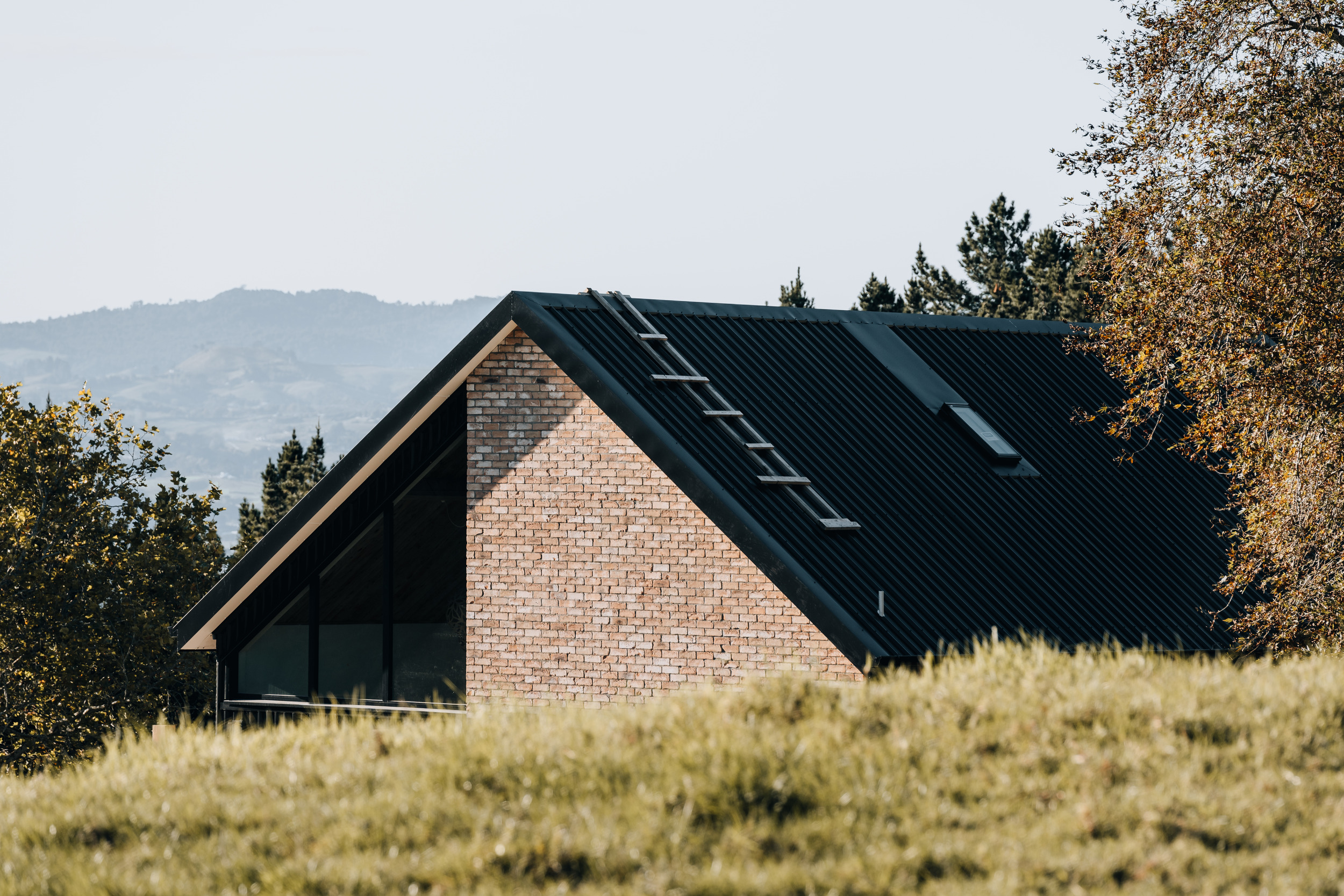
Colorsteel roofing dominates quality custom homes for good reasons. Builders specify 0.40mm minimum thickness with Zincalume coating for coastal properties. Standard 0.35mm thickness works for inland areas but coastal homes need the extra corrosion protection.
Roofing manufacturers provide 15-year warranties on properly installed Colorsteel, but only when installed by certified contractors following specific fixing schedules. Quality builders maintain relationships with certified roofers who understand these requirements.
Concrete roof tiles offer longevity but require proper structural support. Grade A rated tiles cost $8-12 per square metre compared to $15-20 per square metre for Colorsteel. Tiles need mechanical fixing above 10-metre height and in high wind zones.
Membrane roofing systems work for low-slope applications where metal roofing isn’t suitable. EPDM rubber membranes last 25+ years when properly installed but require experienced contractors. Modified bitumen systems cost less initially but need replacement every 15-20 years.
Cladding System Integration
All exterior cladding in New Zealand requires ventilated cavity construction with minimum 20mm cavities behind cladding materials. This requirement protects structural timber from moisture damage and prevents the leaky building problems that affected earlier construction.
Cedar weatherboard offers natural durability but requires regular maintenance in coastal areas. Quality builders specify clear-grade cedar with proper treatment and finishing. Cedar costs $25-35 per square metre installed but needs re-staining every 3-5 years.
Treated pine weatherboard provides a more affordable option at $18-25 per square metre. Modern treatment systems offer better durability than earlier products, but regular maintenance remains essential.
Fiber cement weatherboards from James Hardie or similar manufacturers offer low maintenance with good durability. These products cost $20-28 per square metre and come with extended warranties when properly installed.
Masonry veneer systems require proper ties, weep holes, and flashing details that many builders get wrong. Brick veneer adds significant cost ($45-60 per square metre) but offers excellent durability when properly constructed.
Glazing and Joinery Standards
Double glazing becomes standard in quality custom homes, but specifications vary significantly. The best builders specify Low-E coatings and argon gas fill for better thermal performance. These upgrades add 15-20% to window costs but improve comfort and energy efficiency.
Laminated glass provides security and noise reduction benefits. Builders specify 6.38mm laminated glass minimum for ground-floor windows and sliding doors. This specification costs 20-25% more than standard glass but offers break-in resistance and UV protection.
Thermally broken aluminium frames prevent condensation problems common with standard aluminium joinery. These frames cost 30-40% more than basic aluminium but eliminate the maintenance issues associated with condensation damage.
Treated timber joinery offers traditional appeal but requires ongoing maintenance. Quality builders specify proper treatment levels and finishing systems, but clients need to understand the maintenance commitment involved.
Hardware specifications matter more than many builders acknowledge. Marine-grade stainless steel hardware costs more initially but lasts longer in coastal conditions. Standard hardware fails within 5-7 years in salt air environments.
Internal Systems: Functional Material Specifications
Interior material choices affect daily living comfort and long-term maintenance costs. The best builders recommend materials based on performance requirements for different areas of your home.
Flooring Performance by Application
Wet areas need materials that handle moisture without damage or safety issues:
- Porcelain tiles with P4 slip resistance ratings work best for bathrooms and laundries
- These tiles cost $40-80 per square metre but provide long-term durability and safety
- Commercial-grade vinyl planks offer water resistance at a lower cost ($25-45 per square metre)
- These products work well for kitchens and family bathrooms where budget considerations matter
Living spaces benefit from timber flooring that adds warmth and value. Engineered timber floors need 14mm minimum thickness for durability. Quality builders recommend 15-19mm products that handle Bay of Plenty humidity changes better.
Solid hardwood flooring requires 19mm minimum thickness and proper acclimatisation before installation. These floors cost $60-120 per square metre but offer refinishing options that extend their lifespan.
High-traffic areas like entries and hallways need durable solutions. Hybrid flooring combines timber appearance with waterproof performance. Polished concrete offers modern appeal with minimal maintenance requirements.
Kitchen Material Integration
Kitchen benchtops face daily use that reveals material quality quickly. Engineered stone benchtops need 20mm minimum thickness for durability. Quality products like Caesarstone or Silestone cost $400-600 per square metre installed but offer consistent performance.
Natural stone benchtops require 40mm thickness for structural integrity and visual appeal. Granite and marble cost $500-800 per square metre but need regular sealing and careful maintenance.
Cabinet construction varies dramatically between builders. Quality custom builders specify plywood cabinet boxes instead of MDF for better moisture resistance and structural integrity. Plywood costs 40-50% more than MDF but lasts significantly longer in kitchen environments.
Waterproofing behind kitchen areas needs proper attention. Builders should specify waterproof membranes behind sinks and around wet areas, with splash backs extending to appropriate heights above bench surfaces.
Bathroom Waterproofing Systems
Bathroom failures create expensive damage that affects entire homes. The best builders specify comprehensive waterproofing systems that exceed Building Code minimums.
Sheet membrane systems offer reliable waterproofing when properly installed. These systems cost $80-120 per square metre but provide guaranteed water resistance. Liquid applied membranes work for complex shapes but require experienced applicators.
Tile specifications need appropriate slip resistance ratings. R11 rating minimum for wet shower areas, with appropriate grout selections that resist moisture penetration and mould growth.
Ventilation integration becomes essential in Bay of Plenty’s humid climate. Exhaust fans need proper capacity calculations based on bathroom volume and usage patterns. Quality builders specify fans with humidity sensors and timer controls.
Performance vs Cost: Material Investment Strategy
Understanding where to invest your material budget and where to save money helps you get the best value from your custom home project. The best builders know which upgrades pay off long-term and which ones don’t.
Building material budgets typically break down into three main categories:
- Structural materials (40% of total material budget) cover foundations, framing, roof structure, and building envelope components
- Building envelope materials (35% of budget) include roofing, cladding, windows, exterior doors, and insulation systems
- Internal finishes (25% of budget) cover flooring, fixtures, painting, and hardware
High-ROI Material Investments
Insulation upgrades beyond Building Code minimums deliver measurable benefits that justify additional cost. Wall insulation upgraded from R2.2 to R2.8 adds $2,000-3,000 to project costs but reduces annual heating costs by $300-500. Ceiling insulation upgraded from R3.2 to R4.5 pays for itself within 8-10 years through energy savings.
Quality windows with proper thermal performance eliminate condensation problems and reduce heating costs. Double-glazed windows with Low-E coatings cost $800-1,200 per square metre compared to $500-700 for basic double glazing. The upgrade reduces annual energy costs by 15-20% while improving comfort significantly.
Roof material upgrades provide long-term value through reduced maintenance and replacement costs. Premium roofing materials cost 20-30% more initially but often last twice as long as standard products. Colorsteel roofing with extended warranties costs $18-22 per square metre compared to $15-18 for standard products but includes 20-year warranties instead of 10-year coverage.
Moderate-ROI Decisions
Premium flooring adds $15,000-25,000 to project costs but creates visual impact that buyers notice. Engineered timber flooring costs $45-80 per square metre compared to $25-40 for laminate products. The upgrade improves resale appeal and provides refinishing options that extend floor life.
Stone benchtops cost $8,000-15,000 more than laminate alternatives but offer durability that justifies the investment. Engineered stone benchtops last 20+ years with minimal maintenance while laminate benchtops need replacement after 10-12 years.
Quality hardware throughout the home adds $3,000-5,000 to project costs but improves daily functionality and reduces maintenance. Marine-grade stainless steel hardware lasts 15+ years in coastal conditions while standard hardware fails within 5-7 years.
Low-ROI Selections
Designer fixtures add significant cost without proportional benefit increases. Premium light fittings cost 3-5 times standard products, but don’t improve functionality or longevity significantly. The visual impact diminishes over time while the cost premium remains.
Exotic materials like imported tiles or speciality timbers add 50-100% to material costs while providing minimal performance benefits. These materials often require specialised maintenance or replacement products that increase ongoing costs.
Over-specification beyond functional requirements wastes money on features that don’t improve daily living or long-term performance. Upgrading from quality standard products to luxury alternatives often doubles costs while providing marginal benefits.
Material Selection Red Flags and Quality Verification
Recognising poor material recommendations protects your investment and prevents expensive problems. The best builders provide detailed specifications while poor builders use vague descriptions that hide quality compromises.
Specification Warning Signs
Descriptions like “standard grade,” “builder’s choice,” or missing technical specifications indicate builders who avoid accountability for material quality. Quality builders provide specific product names, manufacturer details, and performance ratings for all major materials.
Materials specified below Building Code minimums indicate builders who don’t understand compliance requirements or who prioritise cost over performance:
- Insulation below minimum R-values creates comfort problems and higher energy costs
- Structural timber below the required grades compromises safety and durability
- Foundation systems inadequate for soil conditions create expensive problems that affect entire homes
Builders who don’t require geotechnical assessments or who ignore soil report recommendations risk foundation failures that cost tens of thousands to repair.
Quality Verification Methods
Product data sheets show performance ratings, compliance certificates, and warranty terms that verify material quality claims. Quality builders provide this documentation willingly, while poor builders avoid detailed specifications.
Supplier verification confirms established relationships and local support networks. Quality builders work with established suppliers who provide technical support, warranty backing, and reliable product availability.
Installation standards require certified tradespeople who understand manufacturer specifications. Quality builders work with qualified installers who provide appropriate installation warranties and follow proper procedures.
Common Material Failures in Bay of Plenty
Moisture-related failures result from inadequate flashing systems, missing vapour barriers, or insufficient ventilation design. These problems affect internal air quality and create expensive damage that spreads through building materials.
Structural failures typically result from under-specified foundation systems, inadequate fixing schedules, or insufficient accommodation for thermal movement. Clay soil movement affects foundations, while thermal expansion affects cladding and roofing systems.
Corrosion failures in coastal areas result from inappropriate material selection or inadequate protection systems. Standard steel fixtures fail within 3-5 years in salt air, while marine-grade alternatives last 15+ years.
Supplier Networks and Material Sourcing Strategy
The relationship between builders and material suppliers significantly affects project quality, cost, and timeline. Established builders maintain supplier networks that provide advantages unavailable to individual buyers or inexperienced builders.
Trade pricing through established accounts typically provides 15-25% savings compared to retail pricing. These savings help quality builders remain competitive while using better materials than builders who purchase at retail rates.
Priority allocation during supply shortages becomes important when material availability affects project timelines. Established builders receive preferential treatment from suppliers who value long-term relationships over individual transactions.
Technical support from suppliers includes product training, installation guidance, and warranty claim assistance:
- Quality builders access manufacturer representatives who provide ongoing education
- Product training covers new materials and application techniques
- Installation guidance prevents costly application errors
- Warranty claim assistance speeds resolution when problems occur
Quality assurance systems include incoming material inspection, proper storage protocols, and installation oversight. Professional builders inspect materials upon delivery, store them appropriately to prevent damage, and supervise installation to maintain quality standards.
Material storage requires weather protection, appropriate handling procedures, and security measures. Quality builders provide covered storage areas with proper ventilation and temperature control for materials sensitive to environmental conditions.
Installation oversight includes trade supervision, quality checkpoints, and compliance verification. The best builders work with certified tradespeople who understand manufacturer specifications and provide appropriate installation warranties.
Making Smart Material Decisions for Your Custom Home
Choosing the right custom home building materials comes down to working with builders who understand Bay of Plenty conditions and back their recommendations with professional accountability. The material decisions you make today will affect your daily comfort, ongoing costs, and long-term investment value for decades. Performance-first selection considers durability, maintenance requirements, and climate suitability before aesthetic preferences, while total cost analysis includes installation costs, maintenance requirements, and replacement timing over the building’s lifecycle. Premium materials with higher initial costs often provide better long-term value through reduced maintenance and longer replacement cycles.
At Diack Homes, we’ve spent years learning which materials work best in our region’s clay soils, coastal exposure, and humid conditions. Our Licensed Building Practitioner certification and Master Builder membership mean we back our material recommendations with 10-year Master Build warranty protection and our Gold Standard Guarantee.
Want to know exactly which materials we’d recommend for your specific site and budget? Book your FREE consultation and let us show you why the best builders in Bay of Plenty choose materials that protect your investment, not just our profit margins.